Friday Ushering in of the Shabbat: 6pm - 8pm
Shabbat Service Open: 9am - 8pm

חַג הַסֻּכּוֹת — CHAG HA-SUKKOT
- Home
- /
- / חַג הַסֻּכּוֹת — CHAG HA-SUKKOT
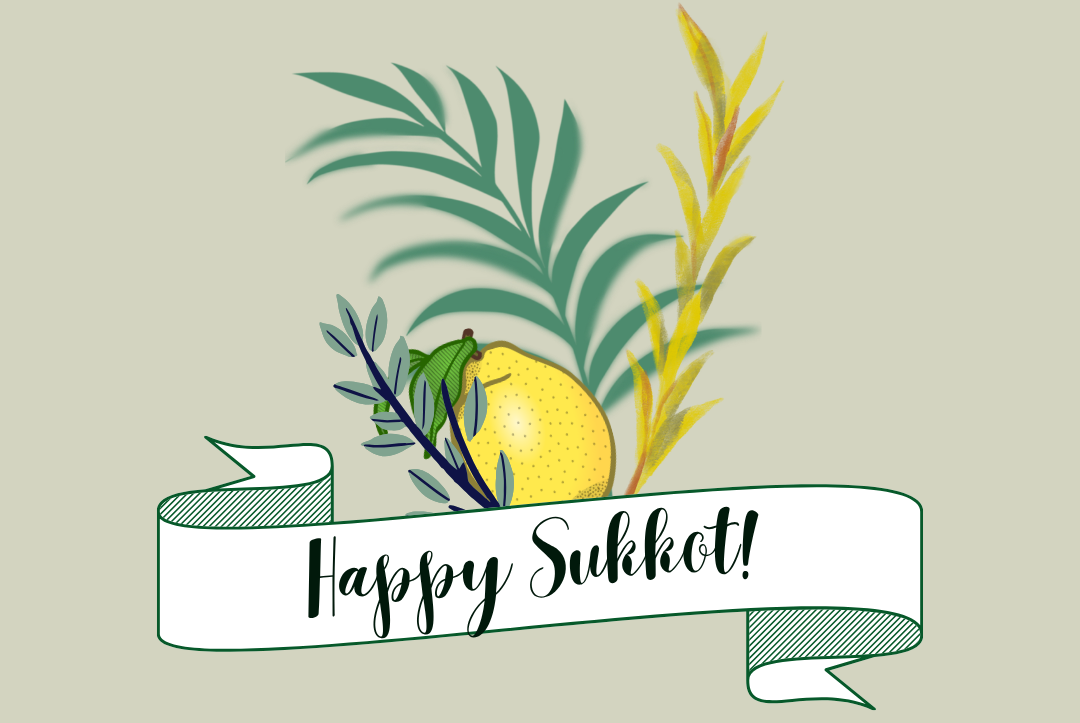
Shalom aleichem, my dear student. Come, let us sit together in the shade of the sukkah, not the shade of a permanent roof, but the shade of emunah, of faith—and learn the deep matters of the Festival of Sukkot according to the Torah.
Sukkot is the third of the shalosh regalim, the three pilgrimage festivals, after Pesach and Shavuot. The Torah calls it by several names: Chag HaSukkot (the Feast of Booths), Chag HaAsif (the Feast of Ingathering), and Zman Simchateinu (the Time of Our Rejoicing). It begins on the fifteenth day of Tishrei, just five days after Yom Kippur. We leave the solemnity of judgment and enter the joy of closeness with Hashem.
The primary source is Vayikra 23:33–43. Elohim says:
“On the fifteenth day of this seventh month is the Feast of Sukkot, seven days to Hashem… You shall dwell in sukkot seven days; all that are Israelites born shall dwell in sukkot; that your generations may know that I made the children of Israel to dwell in sukkot, when I brought them out of the land of Egypt: I am YHWH your Elohim.”
The Torah also commands, in Vayikra (Leviticus) 23:40:
“And you shall take you on the first day the fruit of beautiful trees, branches of palm trees, the boughs of leafy trees, and willows of the brook; and you shall rejoice before YHWH your Elohim seven days.”
And in Devarim 16:13–15:
“You shall keep the Feast of Sukkot seven days, after you have gathered in your corn and your wine. And you shall rejoice in your feast, you, and your son, and your daughter, and your manservant, and your maidservant, and the Levite, the stranger, and the fatherless, and the widow, that are within your gates… therefore you shall surely rejoice.”
So the Torah gives us three central mitzvot of Sukkot:
The sukkah is a temporary booth. It reminds us of two things at once. Rabbi Eliezer says the “sukkot” in the wilderness were the Ananei HaKavod, the Clouds of Glory that surrounded and protected Israel. Rabbi Akiva says they were actual booths. Both are true. The sukkah teaches us that our protection comes not from walls of stone, but from Elohim. We leave our permanent homes and enter a fragile structure, and in doing so we declare: “Ha-kadosh Baruch Hu, You are my true shelter.”
The laws of the sukkah are precise. It must have at least two complete walls and a third partial wall. It must be at least seven tefachim by seven tefachim, and ten tefachim high. The roof—schach—must be made from detached vegetation, not food, not utensils, and it must provide more shade than sunlight. Yet it must be open enough that one can see the stars. Why? To remind us of Avraham Avinu, whose descendants will be like the stars of the sky. To remind us that even in a temporary dwelling, Elohim’s promise is eternal.
We eat, drink, sleep, learn, and live in the sukkah for seven days. The first night, we are obligated to eat a meal with bread in the sukkah. We recite the blessing: Baruch Atah Hashem… asher kiddeshanu bemitzvotav vetzivanu leishev basukkah. The sukkah is unique among mitzvot: it surrounds us completely. We are inside the mitzvah. This teaches us that Elohim’s presence envelops us at all times.
The Four Species
The Torah says: pri etz hadar—the fruit of a beautiful tree, which the Oral Torah identifies as the etrog. Kappot temarim—branches of palm trees, the lulav. Anaf etz avot—boughs of leafy trees, the hadassim (myrtles). Arvei nachal—willows of the brook, the aravot.
We bind the lulav, hadassim, and aravot together, and hold the etrog separately. We wave them in six directions: east, south, west, north, up, and down. This declares that Hashem is everywhere above, below, and in all four corners of the earth.
The Midrash teaches that the four species represent four types of Jews. The etrog has both taste and fragrance those who learn Torah and do good deeds. The lulav has taste but no fragrance those who learn but lack deeds. The hadassim have fragrance but no taste those who do good deeds but lack learning. The aravot have neither those who are distant. We bind them all together. No Jew is complete without the others. We are one people before Elohim.
On a deeper level, the four species correspond to the parts of the body: the etrog is the heart, the lulav is the spine, the hadassim are the eyes, and the aravot are the lips. We dedicate all our faculties to serving Elohim.
The Seventy Bulls and the Nations
In Bamidbar(Numbers) 29, the Torah details the offerings of Sukkot. Over the seven days, Israel offers seventy bulls: thirteen on the first day, twelve on the second, eleven on the third, ten on the fourth, nine on the fifth, eight on the sixth, and seven on the seventh. The Talmud explains that these seventy bulls correspond to the seventy nations of the world. Israel’s service on Sukkot brings blessing and atonement to all humanity. Sukkot is not only for Israel; it is universal. Zechariah 14 prophesies that in the Messianic era, all nations will come to Jerusalem to celebrate Sukkot.
On the eighth day, Shemini Atzeret, only one bull is offered. Rashi explains: It is like a king who made a great feast for all his servants. When the feast ended, he said to his beloved friend, “Make a small feast for us alone.” Hashem says to Israel: “Stay with Me one more day.” That is Shemini Atzeret, the day of intimate closeness.
The Joy of Sukkot
Sukkot is called Zman Simchateinu, the Time of Our Rejoicing. The Torah commands joy: VeSamachta bechagecha you shall rejoice in your festival. This joy is not merely an emotion; it is a mitzvah. After Yom Kippur, when we have been cleansed and forgiven, we celebrate with Hashem. The sukkah is a place of joy, of hospitality, of peace.
The Oral Torah teaches that in the Temple, water was poured on the altar on Sukkot—the nisuch hamayim. This was accompanied by the Simchat Beit Hashoevah, the Rejoicing of the House of Drawing Water. The Sages said: “One who has not seen the Simchat Beit Hashoevah has never seen joy in his life.” Isaiah 12:3 says: “You shall draw water with joy from the wells of salvation.” Water represents Torah, and on Sukkot we pray for rain, for physical and spiritual sustenance.
The seventh day of Sukkot is Hoshana Rabbah. We circle the bimah seven times with the lulav and etrog, crying out Hoshana—“Save us!” It is the final day of judgment for water. The Zohar says that on Hoshana Rabbah, the heavenly decrees are sealed.
In the sukkah, we welcome the Ushpizin, the holy guests: Avraham, Yitzchak, Yaakov, Moshe, Aharon, Yosef, and David. Each night, one of these seven shepherds enters the sukkah with us. They represent the seven sefirot: Chesed, Gevurah, Tiferet, Netzach, Hod, Yesod, Malchut. When we invite the poor and the needy into our sukkah, we merit that the patriarchs and leaders of Israel join us.
The Torah calls the eighth day Shemini Atzeret, a solemn assembly. It is a separate festival. On this day, we begin to pray for rain, Tefillat Geshem. In the Diaspora, we also celebrate Simchat Torah, completing the annual cycle of Torah reading and beginning again with Bereishit. We dance with the Torah, for the Torah is our joy.
Sukkot teaches us that life is temporary, but Hashem is eternal. We leave our homes and enter a sukkah to learn humility, faith, and trust. The sukkah is a place of peace: Ufros aleinu sukkat shlomecha, “Spread over us the sukkah of Your peace.” It is a reminder of the Exodus, of the Clouds of Glory, and of the future redemption.
The four species teach unity. The seventy bulls teach universal concern. The water libation teaches hope. The joy teaches that closeness to Hashem is the greatest pleasure.
My dear student, the Torah says: VeSamachta bechagecha, you shall rejoice in your festival. Sukkot is not just a historical commemoration. It is a living experience. Build your sukkah. Take the lulav and etrog. Sit in the shade of faith. Welcome the guests. Rejoice with Hashem. And may we all merit to celebrate Sukkot in the rebuilt Beit HaMikdash, speedily in our days. Amein.
Written by
MatanTorah.ORG Team

At Matan Torah, we believe that learning is a lifelong journey. Our community provides a welcoming environment where individuals from all backgrounds can explore Judaism, ask questions, challenge assumptions, and deepen their connection to Torah and the Eternal One.